Things to Do in Bryce Canyon
8,000-foot hoodoos that turn sunrise into theater and silence into cathedral
Top Things to Do in Bryce Canyon
Find activities and tours you'll actually want to do. Book through our partners -- no booking fees.
Plan Your Trip
Essential guides for timing and budgeting
Climate Guide
Best times to visit based on weather and events
View guide →Day Trips
The best excursions and nearby destinations worth the journey
Explore day trips →Where to Stay
Best neighbourhoods, hotel picks, and booking tips
Find hotels →Travel Insurance
What's required, what coverage matters, and how to get a quote
Read guide →What to Pack
Climate-specific gear, essentials, and what to leave at home
See packing list →When Should You Visit Bryce Canyon?
Tap a month for weather, crowds, and highlights
View full year-round climate guide →
Your Guide to Bryce Canyon
About Bryce Canyon
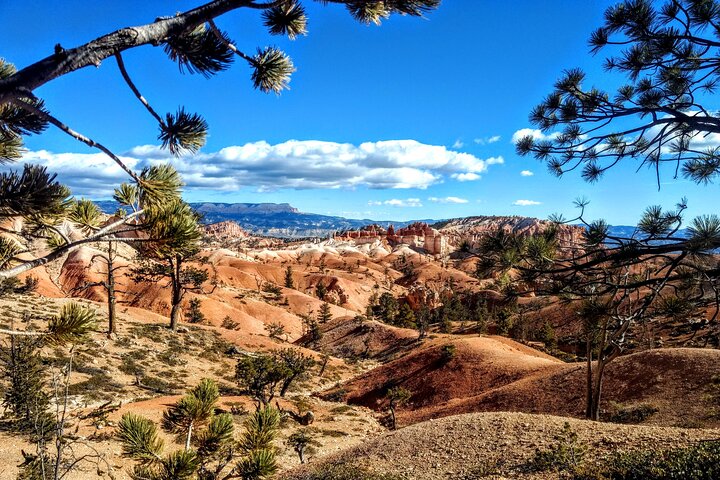
Bryce Canyon seizes you at 9,115 feet. The air thins. Each breath tastes of pine and high desert. The first shock is silence. Stand on Sunset Point and hear only wind threading 200-foot crimson hoodoos carved by ice and time. Sunrise strikes Thor's Hammer. The amphitheater erupts in burnt orange and vermillion that no camera captures correctly.
The Navajo Loop drops you past Wall Street's slot canyon narrows. Douglas firs survive on 2 inches of soil. Queen's Garden trail forces you to crawl under rock arches. They frame the sky like natural windows. Ruby's Inn outside the park gate charges $18 for breakfast. It will fuel a 10-mile hike. Bryce Canyon Lodge's $34 buffalo meatloaf tastes like the West it claims to represent.
Winter is brutal. Roads close at -15°F. Hoodoos wear snow caps. The whole place looks like a Dr. Seuss book rendered in stone. Summer brings German tour buses. Parking wars erupt at Sunrise Point. Wildflower meadows bloom between hoodoos. Night skies are so dark you can see the Milky Way with naked eyes. This isn't a canyon.
It's a graveyard of ancient lakes turned inside-out by erosion. The quiet between the rocks has weight.
Travel Tips
Transportation: The Bryce shuttle runs mid-May to early October. It hits 14 stops from Ruby's Inn to Bryce Point for free. Park your car at Ruby's and skip the $35 entrance fee headache. Rental cars from Las Vegas (4-hour drive) cost roughly $45/day. The Zion-Bryce shuttle combo from Springdale ($95 round-trip) lets you hit both parks without driving Utah's curves. Winter demands chains or 4WD past October 15. Highway 12 closes during storms. Pro move: stay in Tropic (12 minutes east). Rooms run $89 instead of $230 at the lodge.
Money: America the Beautiful pass ($80) covers Bryce plus Zion in one trip. Break-even at three parks. Bryce Canyon Lodge books up 13 months ahead for summer. Try Ruby's Inn at $120/night instead of $400+ inside the park. ATMs? Only at Ruby's Inn and the visitor center. Stock up in Panguitch or Tropic beforehand. Credit cards work everywhere except the food trucks at Inspiration Point. They only take cash. Gas in Bryce Canyon City runs 40 cents higher than Panguitch. Fill up before you ascend.
Cultural Respect: This is Southern Paiute territory. Don't climb the hoodoos. Don't stack rocks like you're in Sedona. The visitor center's free 45-minute talks explain indigenous plant use. Every plant served medicine or food. Rangers shut down switchback shortcuts fast. CCC crews built those trails during the Depression. Sunrise Point fills with photographers at 5:30 AM. Arrive by 5 with a tripod or get boxed out by tour groups from Japan. Quiet hours at viewpoints start at 10 PM. Night photography workshops use red flashlights to preserve dark skies.
Food Safety: Elevation sickness is real at 8,000+ feet. Drink twice the water you think you need. Skip the Bryce Canyon Lodge's $12 beer until after your hike. The general store at Ruby's sells pre-made sandwiches for $8. They beat the lodge's cafeteria. Pack extra. Nothing exists between Bryce and Escalante except gas station burritos. Bear boxes are everywhere at Sunset Campground. The real threat is chipmunks trained by decades of tourists. They will unzip your pack. Don't eat juniper berries. Skip Mormon tea plants along trails. Both will mess with your system at altitude.
When to Visit
March through May brings the best balance. Expect 50°F highs. Snow patches cling to hoodoos for photos. Hotel rates sit 30% below summer peaks. April's wildflower bloom paints meadows between hoodoos purple and yellow. Nights still drop to 25°F. Pack layers. June to August hits 80°F days. Afternoon thunderstorms create memorable light.
They also close trails for lightning. Rooms hit $400+. Sunset Point parking fills by 8 AM. September offers near-perfect 70°F days. Crowds drop 40%. Aspens start turning gold around October 7. October's crisp 60°F days and golden cottonwoods make it photographer heaven. Rates drop 25% after Columbus Day. November through March is raw.
Expect 25°F highs. Nights hit 10°F. Most facilities close. Hoodoos in fresh snow look like coral reefs frozen mid-explosion. Roads close at first heavy snow, usually December 15. Cross-country skiing the Rim Trail gives you the park to yourself. Winter Bryce Canyon is brutal and magnificent. Bring microspikes for icy trails. Book Ruby's Inn's hot tub in advance.
More Ways to Experience Bryce Canyon
Tours, day trips, and local experiences curated by on-the-ground operators.
Didn't see anything interesting yet?
Browse Viator's full catalog of tours, day trips, food experiences, and private guides in Bryce Canyon.
See All Bryce Canyon Tours on Viator